Ungulate
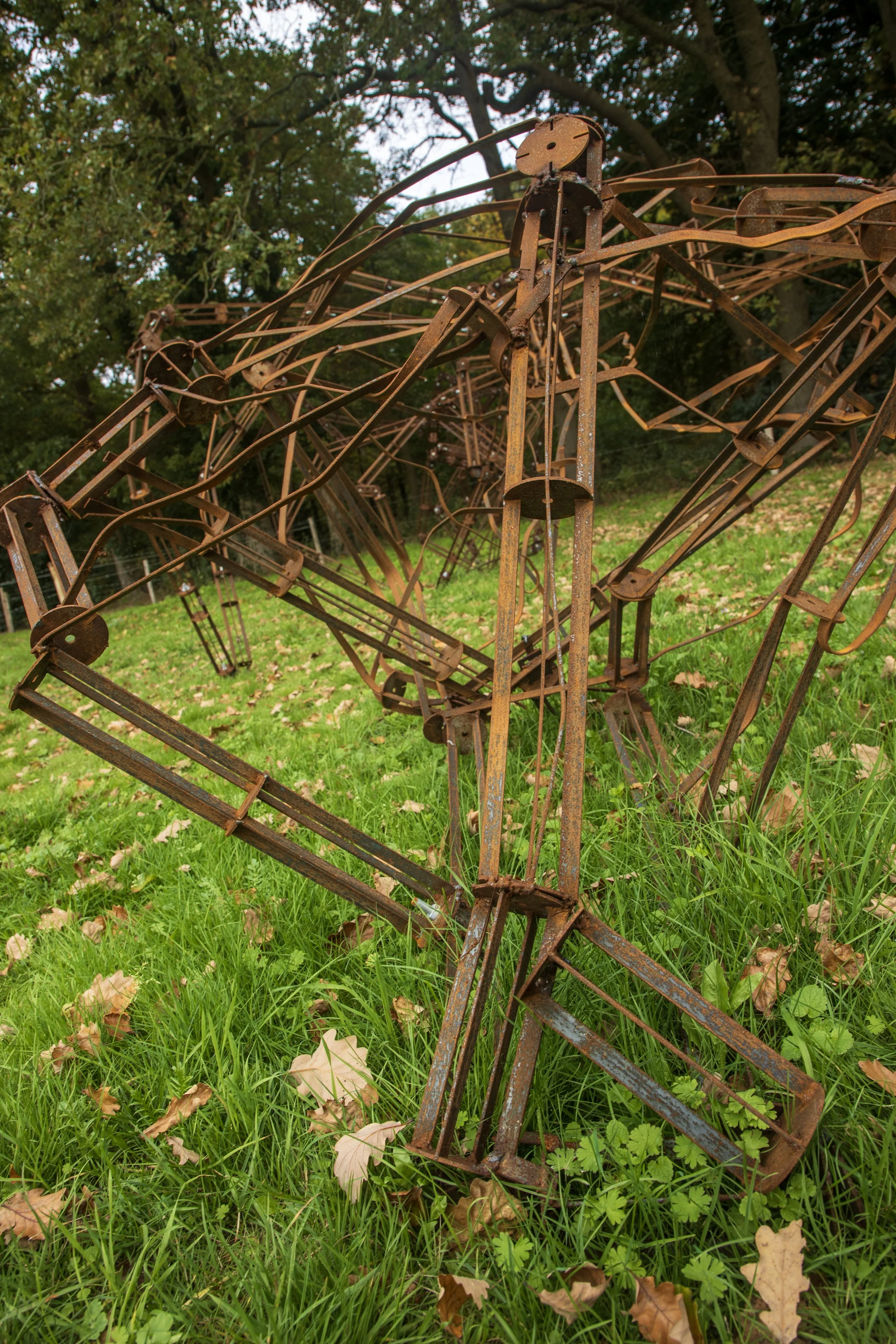
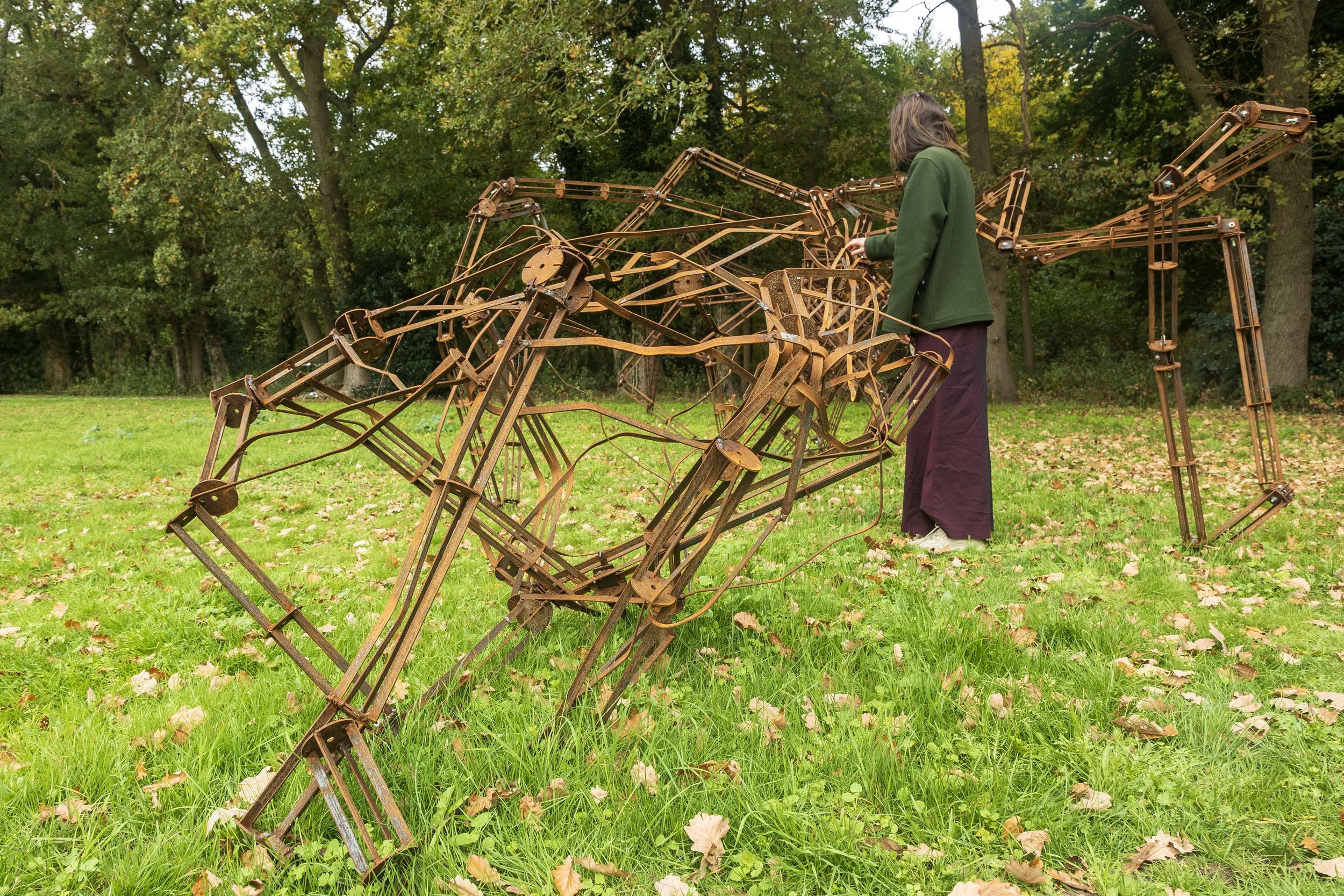
12-meter modular metal sculpture — hand-welded, freely based on a 1m scale model and full 3D drawings
This work was originally created for Woest & Bijster 2025, a 35 km art route with eighteen site-specific installations across the Veluwe.
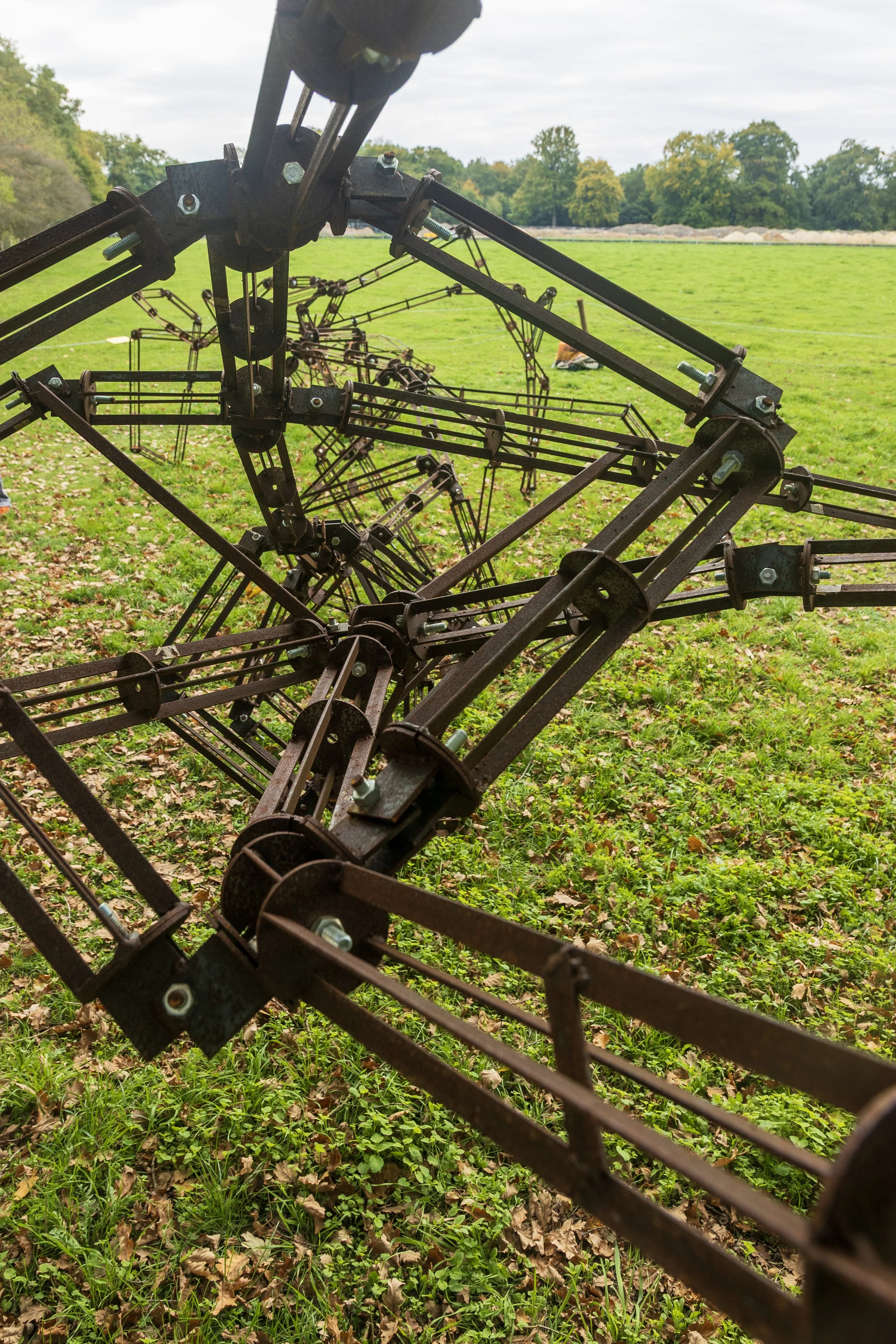
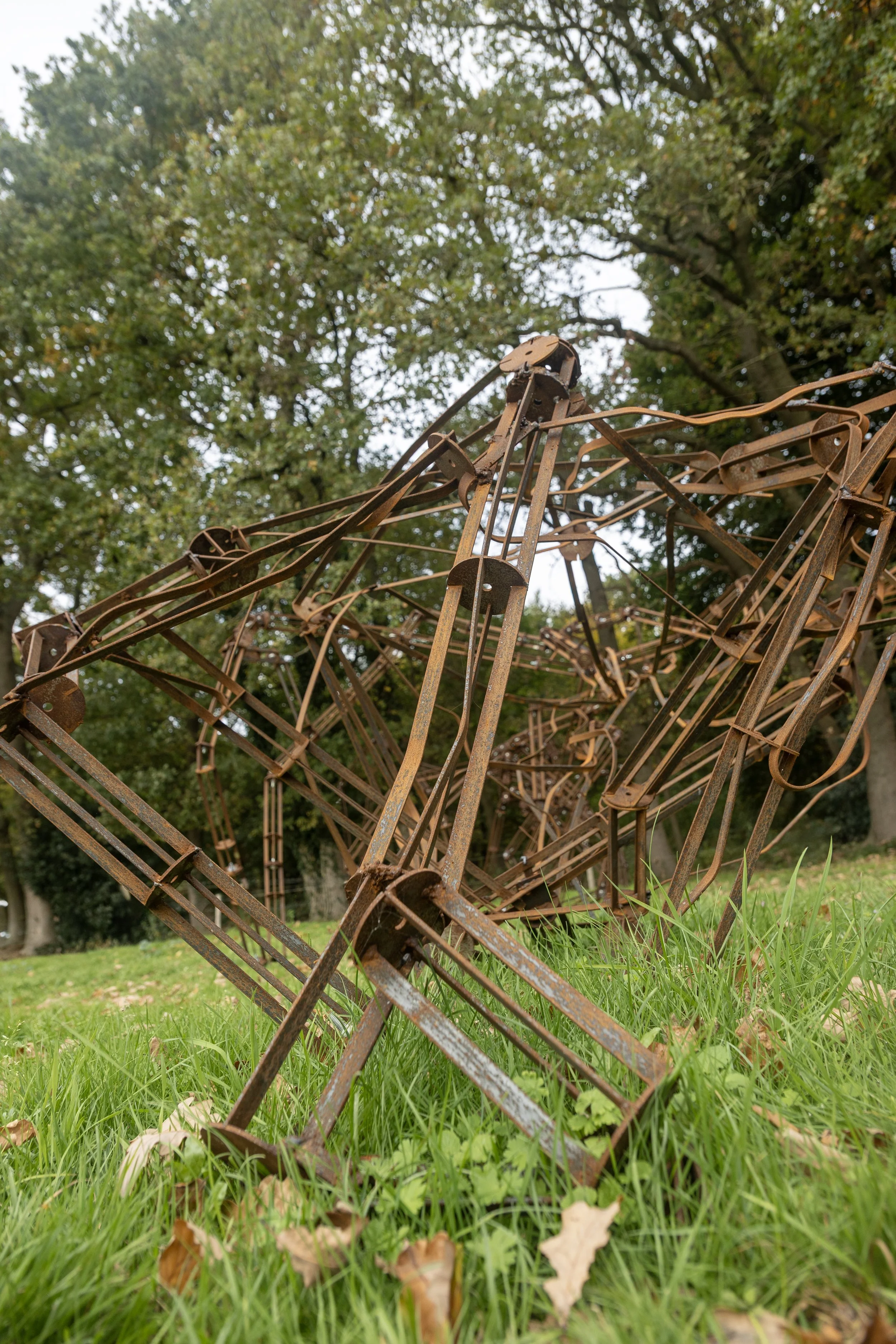
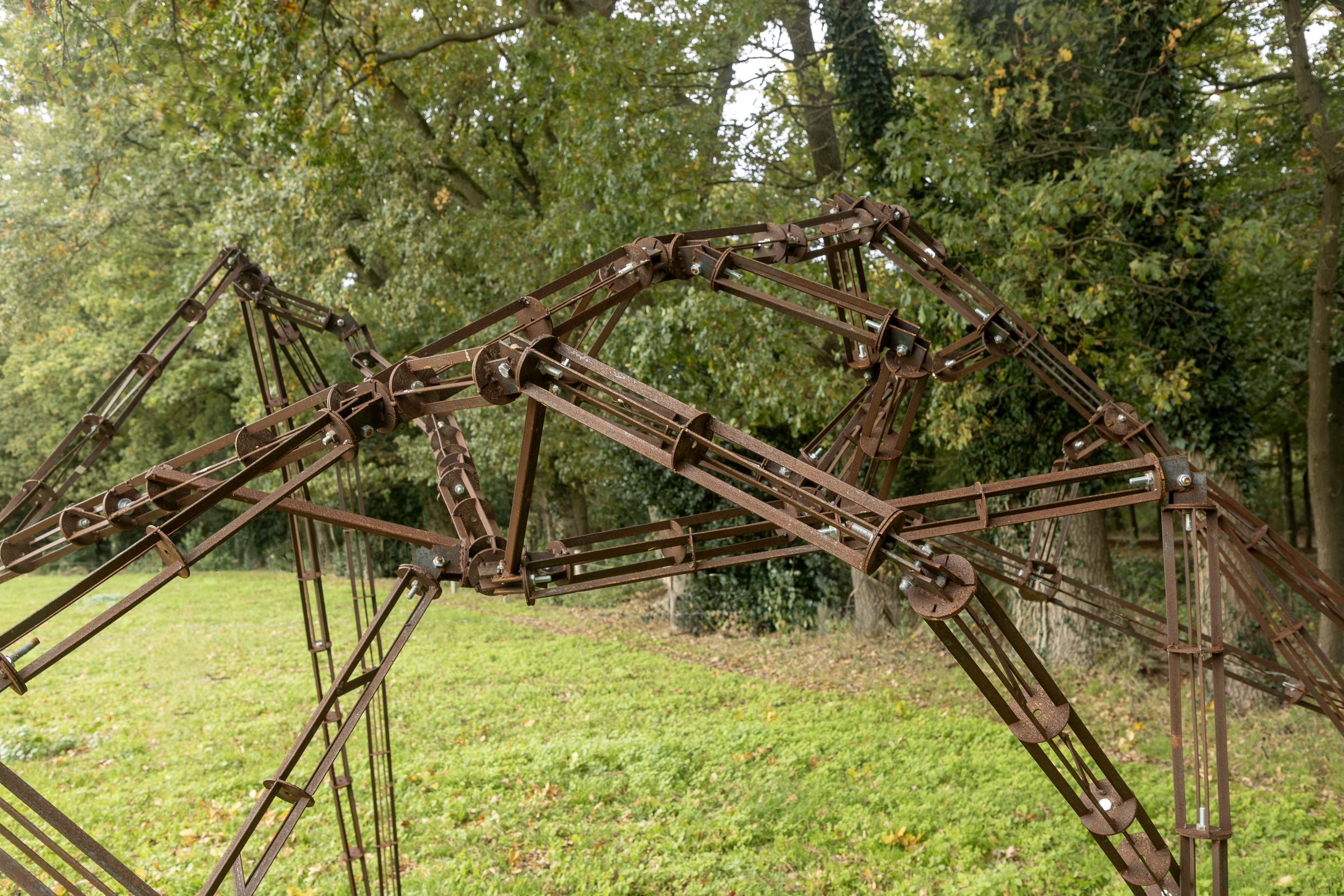
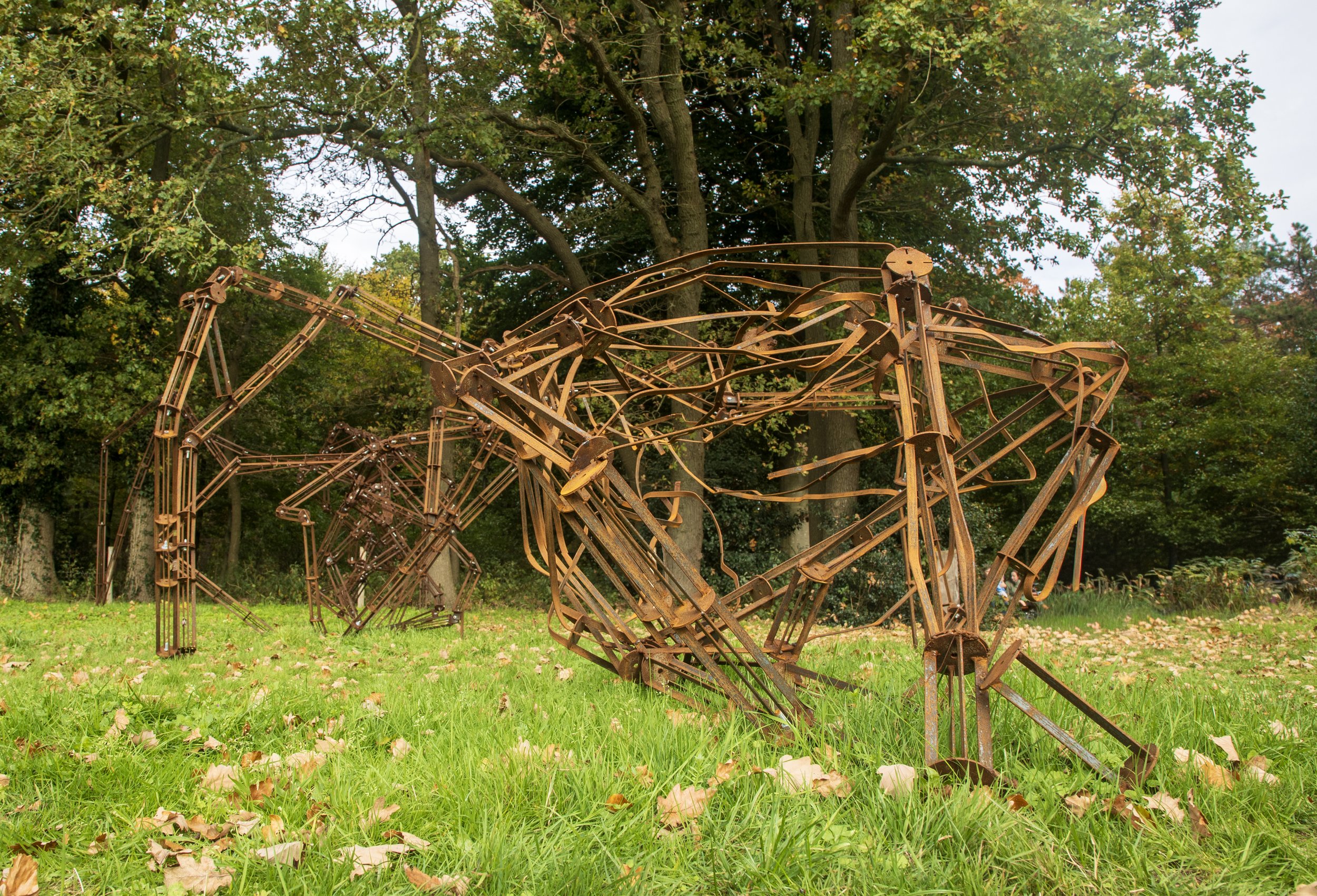
She is a 12-meter rusted metal sculpture, conceived as a monument to the sand lizard — a species struggling to hold its ground in a rapidly changing landscape. The creature appears as both carcass and alter ego: with a vulnerable monumental pregnant body.
The name Ungulate comes from the earliest sketches of the project. It describes a particular kind of animal body: large, heavy, resting on multiple legs or points of contact.
The sculpture was built from that same idea of a supporting, ground-bound form. For that reason, the original title has now been reinstated.
design & process
The project began with a handmade scale model of rebar and aluminium foil. From this, I developed a detailed 3D version in Gravity Sketch (VR), translating the organic curves into a structure built from straight modular ribs. Each rib was then turned into numbered technical drawings, which guided the construction of hundreds of individual metal elements. But during the process I decided let go the original drawings and work intuitively right away - only watching the original form by and then, which makes the scale model and the final work totally different creatures.
The sculpture was welded and assembled in the workshop of Metaaltechniek Dekkers (Heerenveen), with additional support from participants of a local day-activity centre.
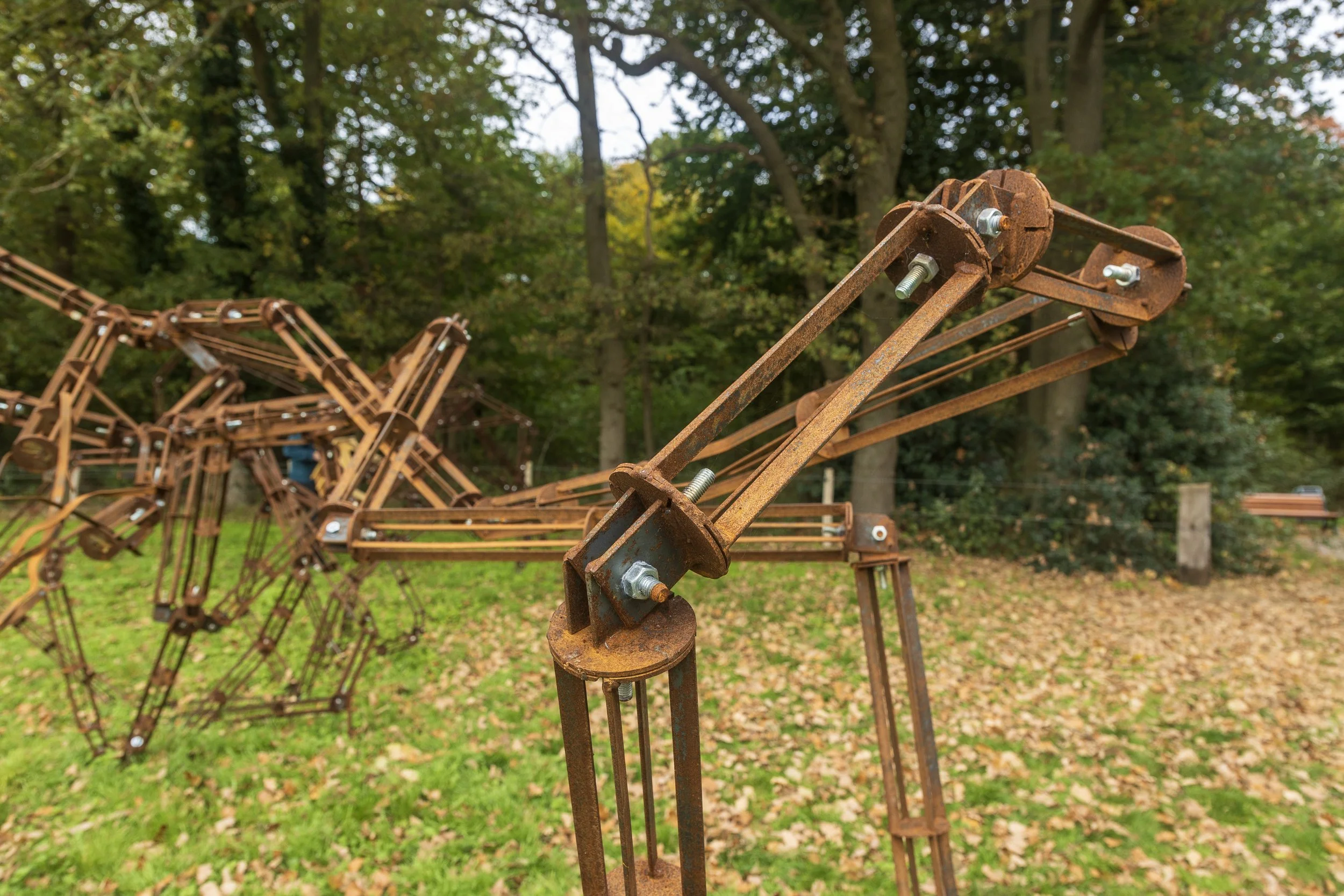
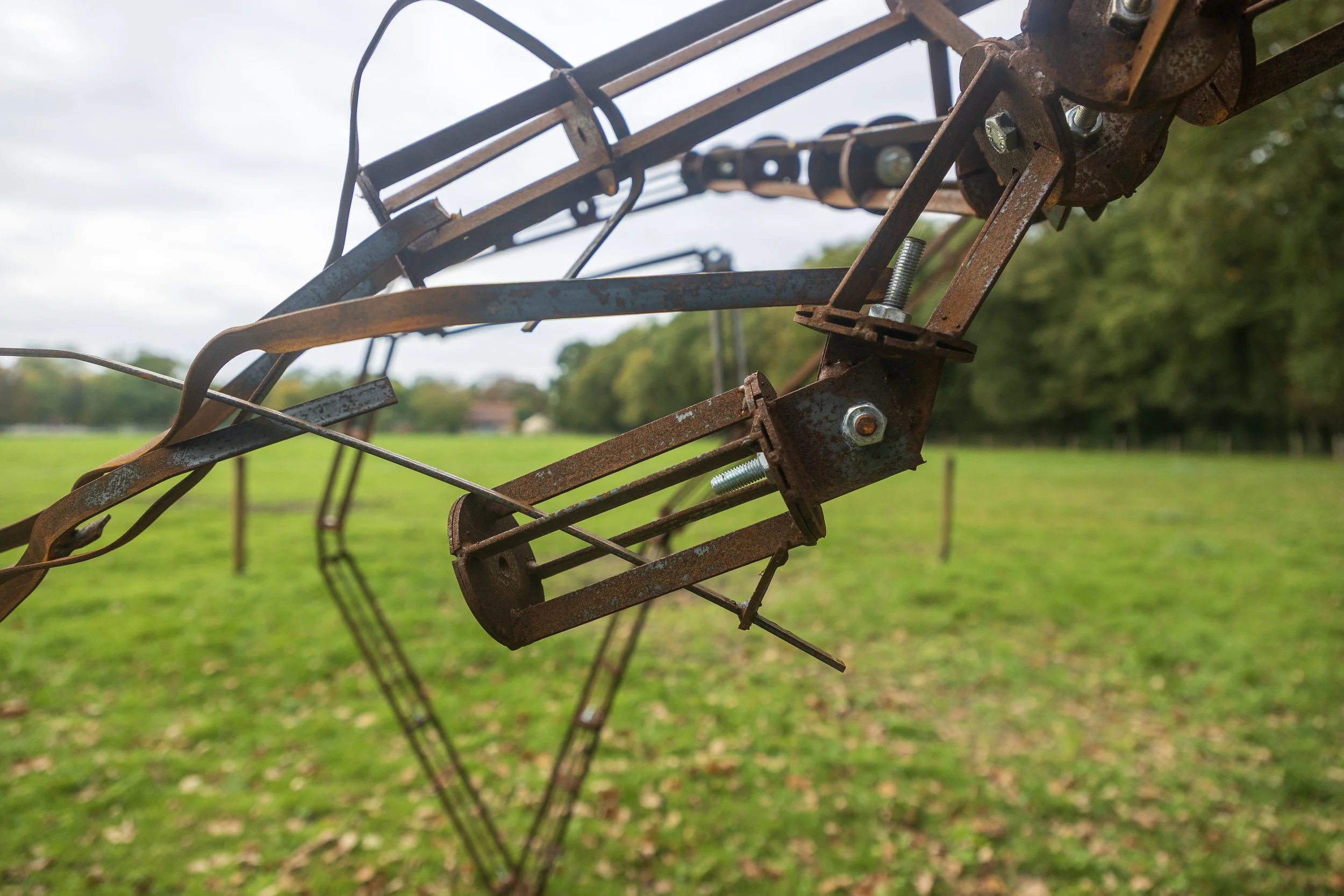
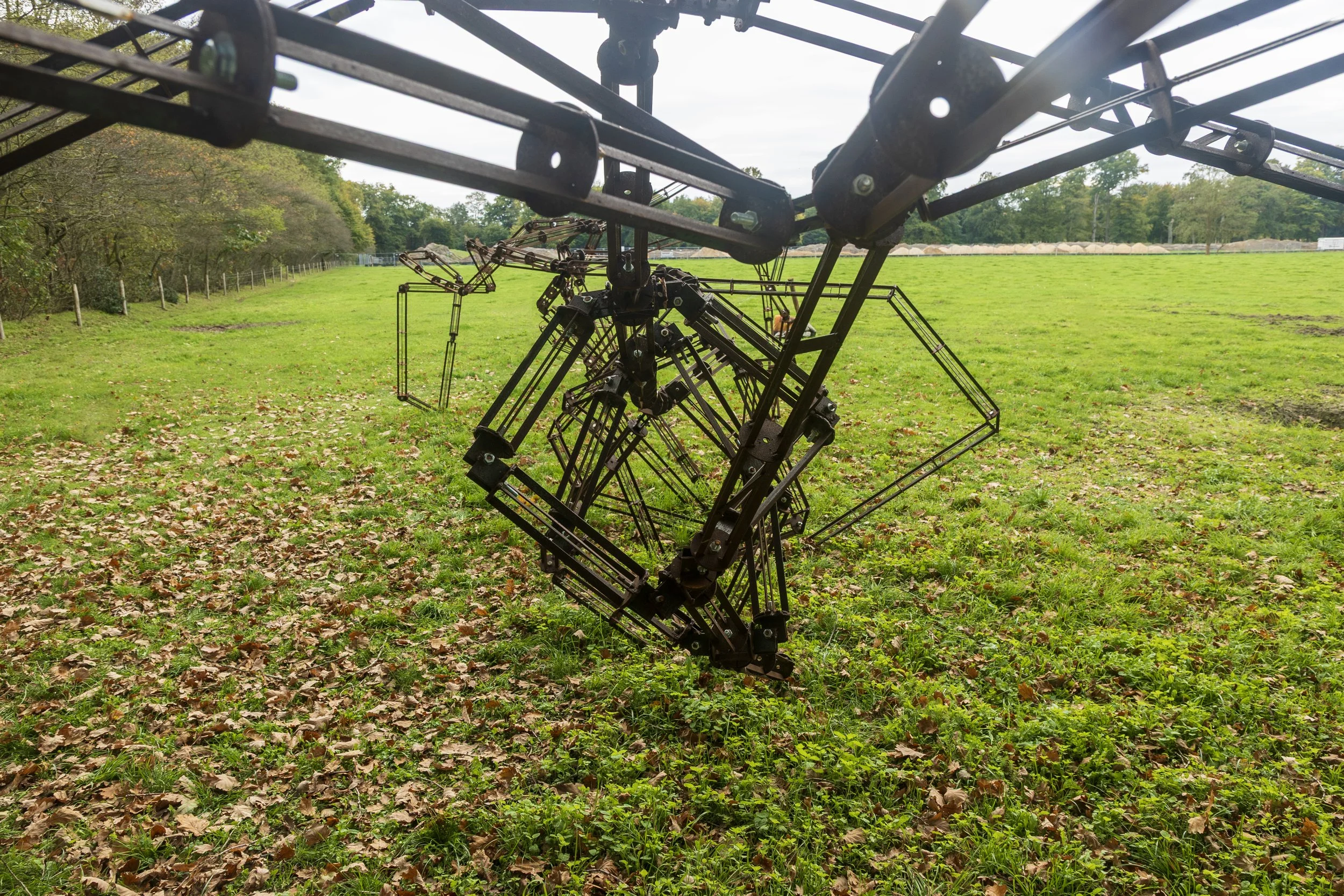
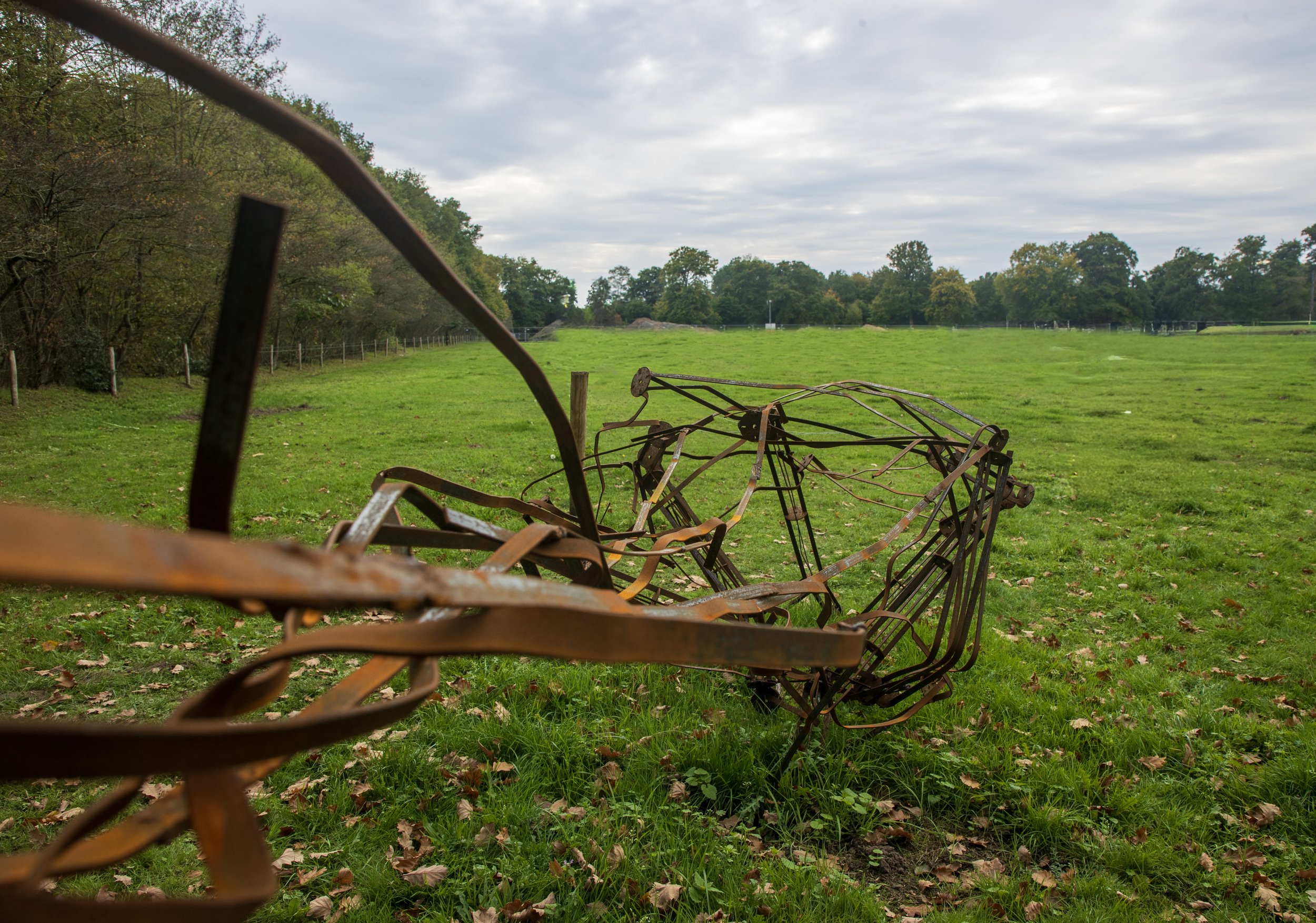
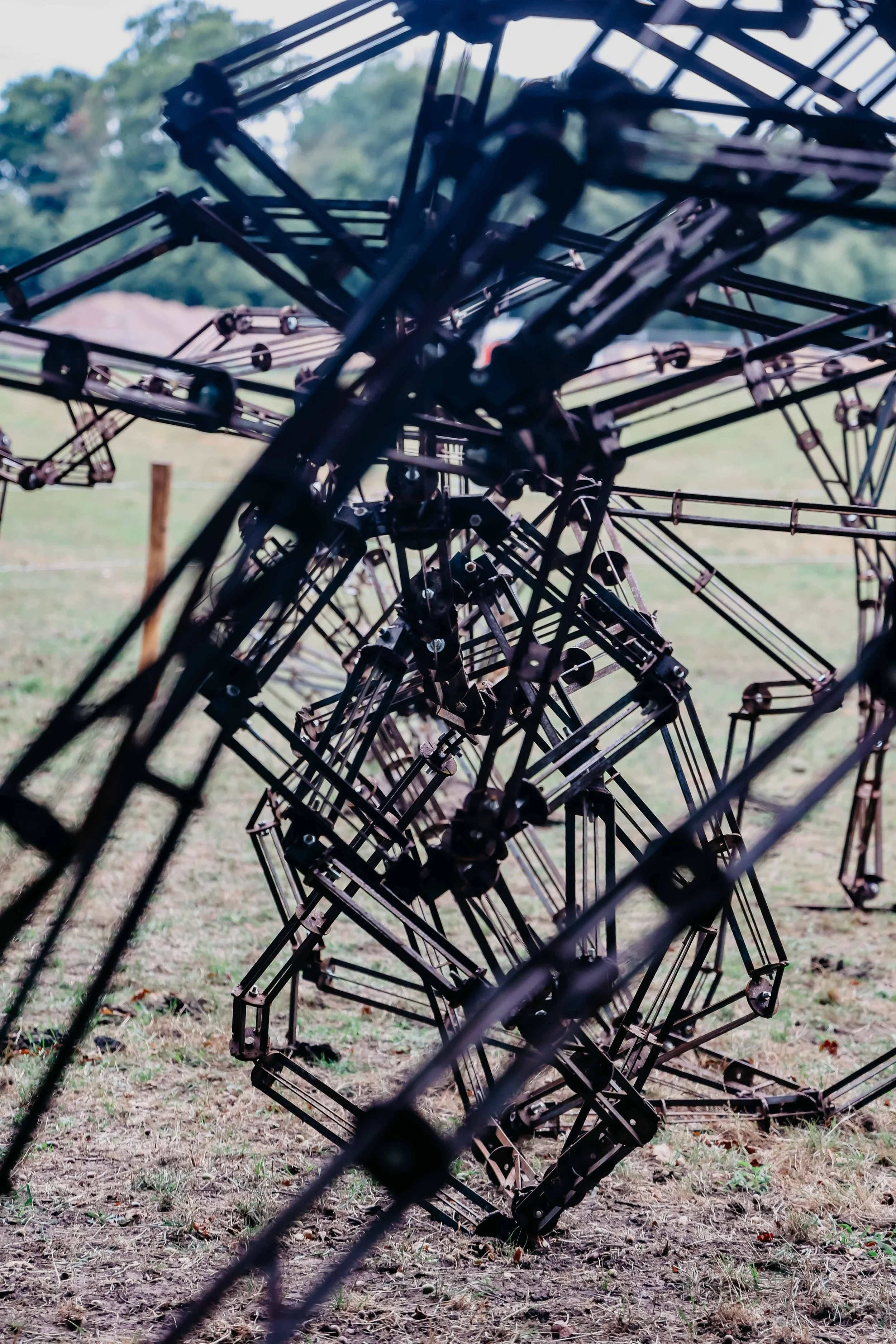
The work is entirely demountable and re-installable. It rests on seven ground contact points (head, belly, tail, and four legs) and is composed of steel strips connected through discs and bolts. You can sit in the belly.
location & meaning
The sculpture was designed for a white sand landscape, echoing the habitat of the sand lizard. Due to organisational circumstances, the work was instead placed in a grassy meadow among cows.
This unexpected shift completely altered the visual impact: the colours, scale, and see-through material blended into the green, making it difficult — nearly impossible — to capture the entire sculpture in one image. Also Annelies Buijs did a great job!
Ironically, this mirrored the very theme of the work: a creature losing its territory through human development. In the real world, a railway track was built straight through the sand lizard’s protected habitat — a disruption echoed in how the artwork itself was displaced.
current Location
UPDATE:
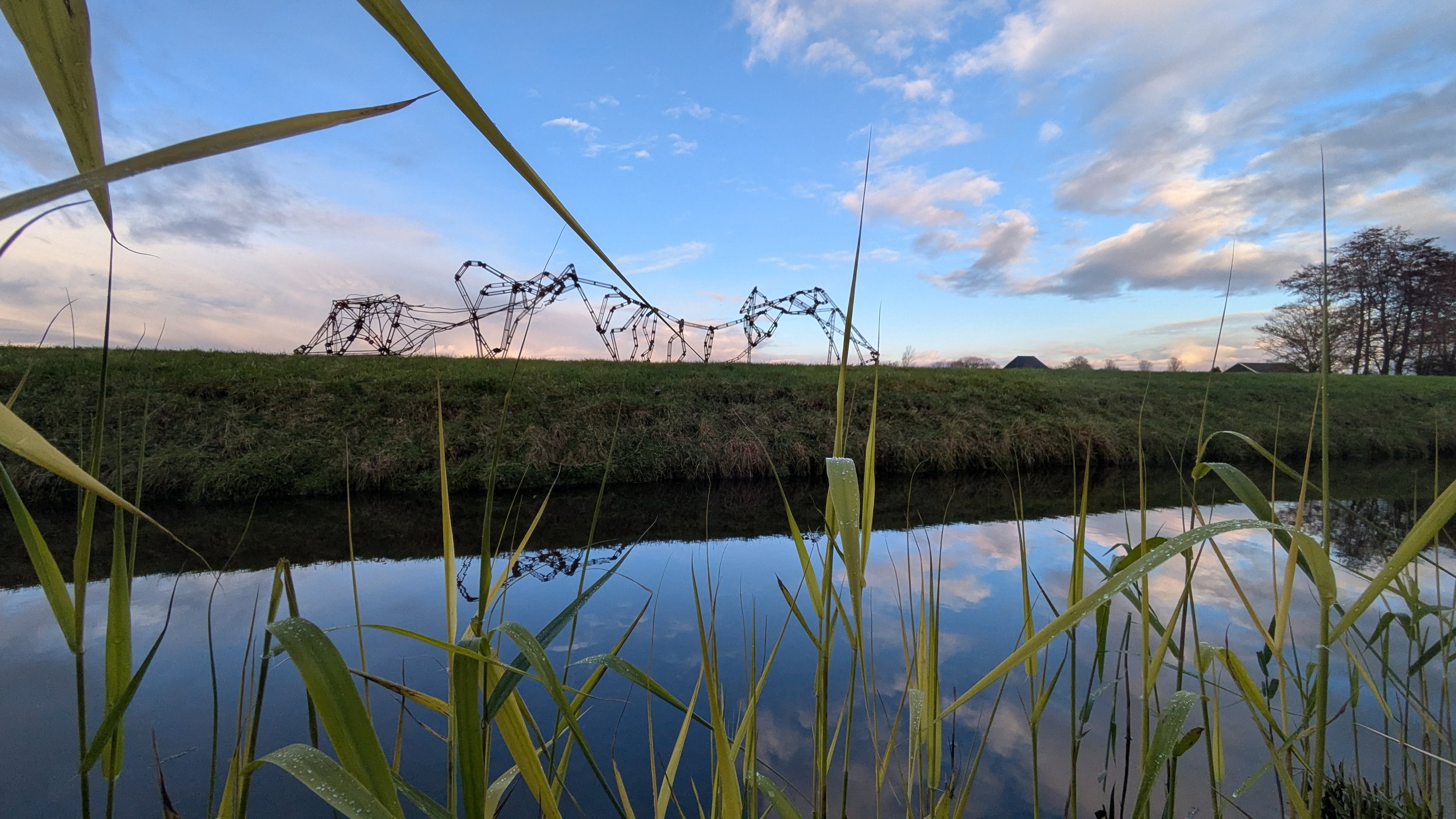
The sculpture is currently on view along the roadside at Oosthuizerweg 26, Noordbeemster, where the piece finds more space and visibility in an open, light landscape. But she’s still looking for a sandstorm to rest in peace for long term.
more information
This page will soon be updated with process photos, images of the scale model, the 3D drawings, and documentation of both the original festival installation and the new location..
Pictures by Arjenne Niessink ©

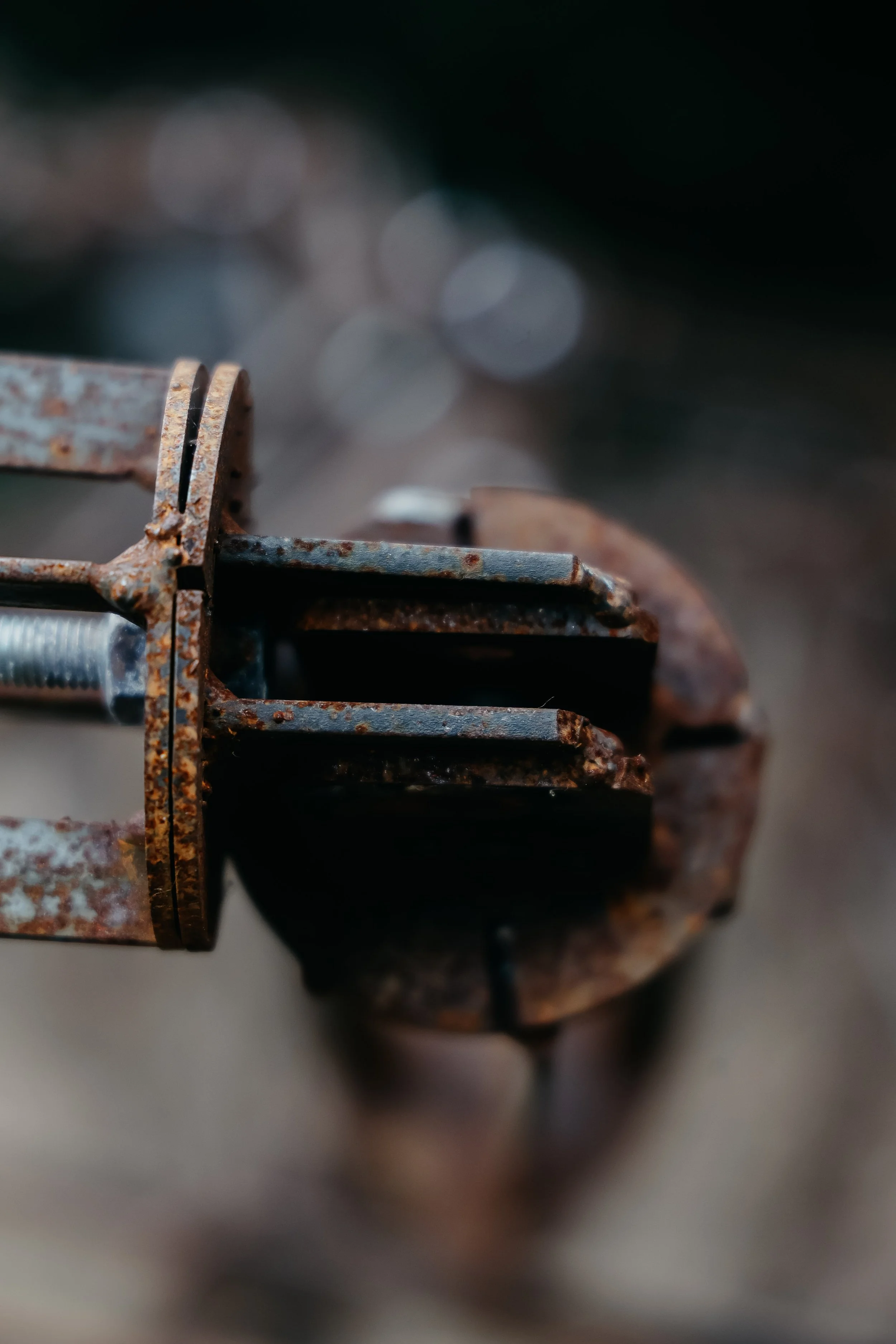
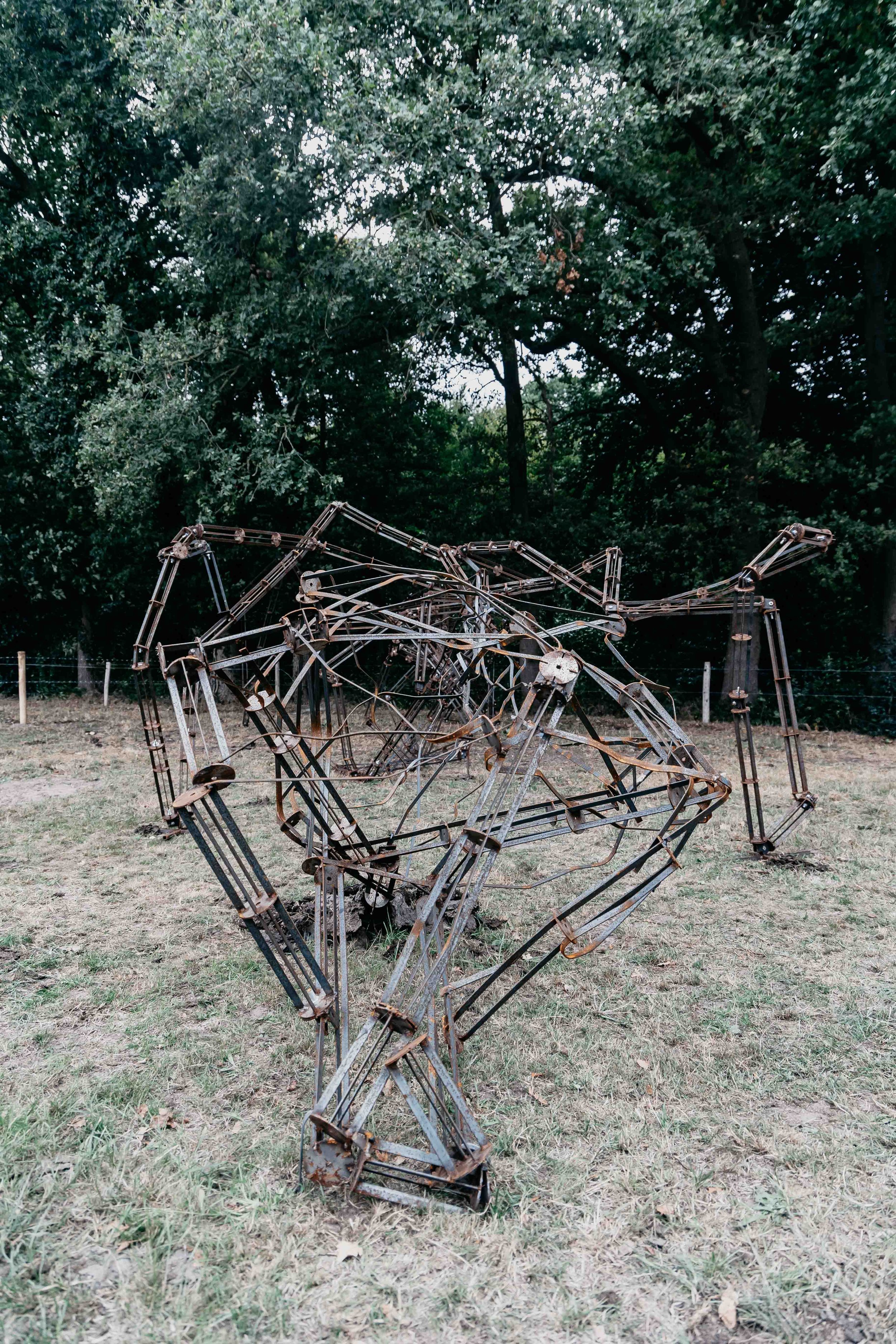
Process pictures
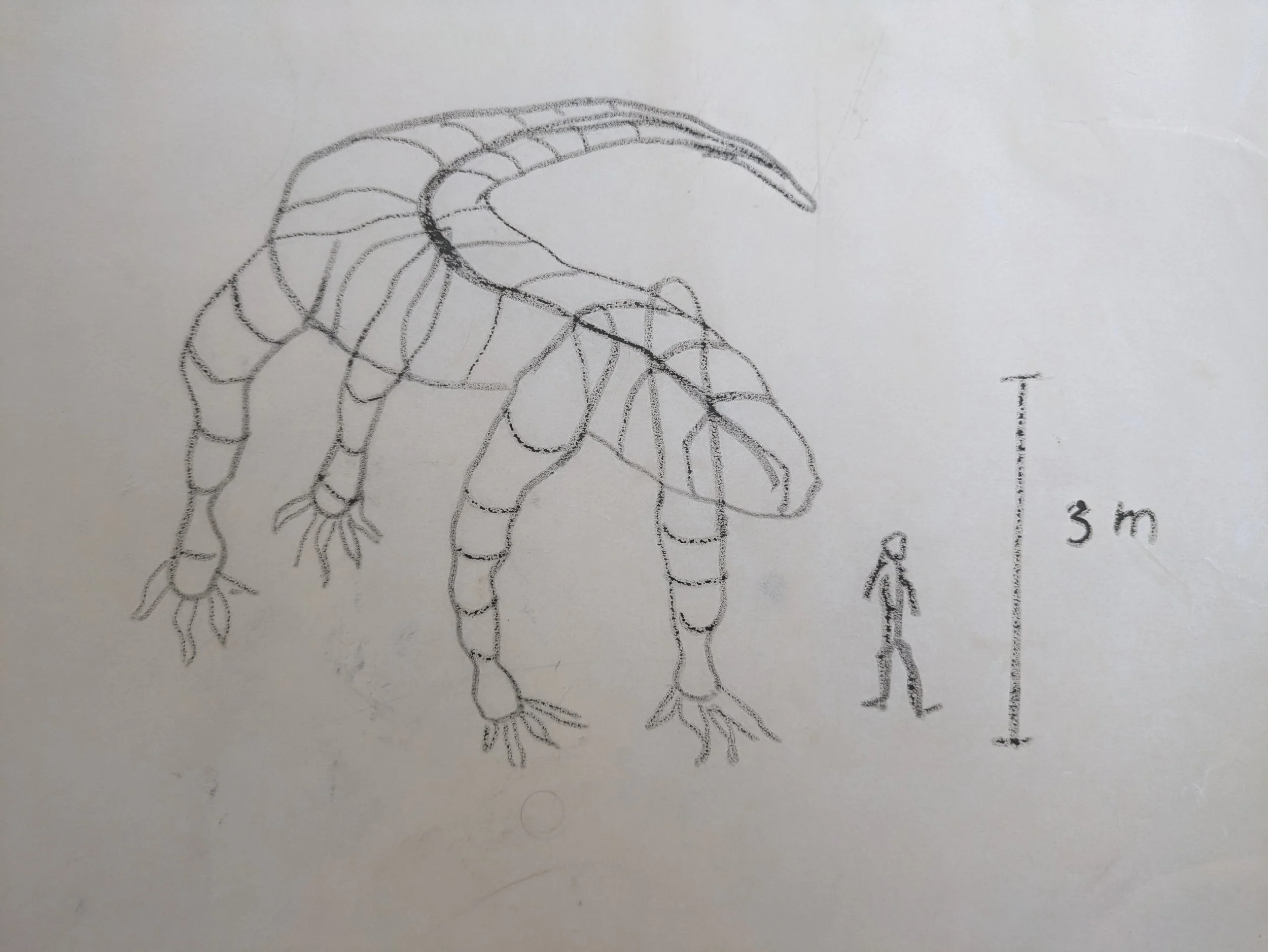
first sketch
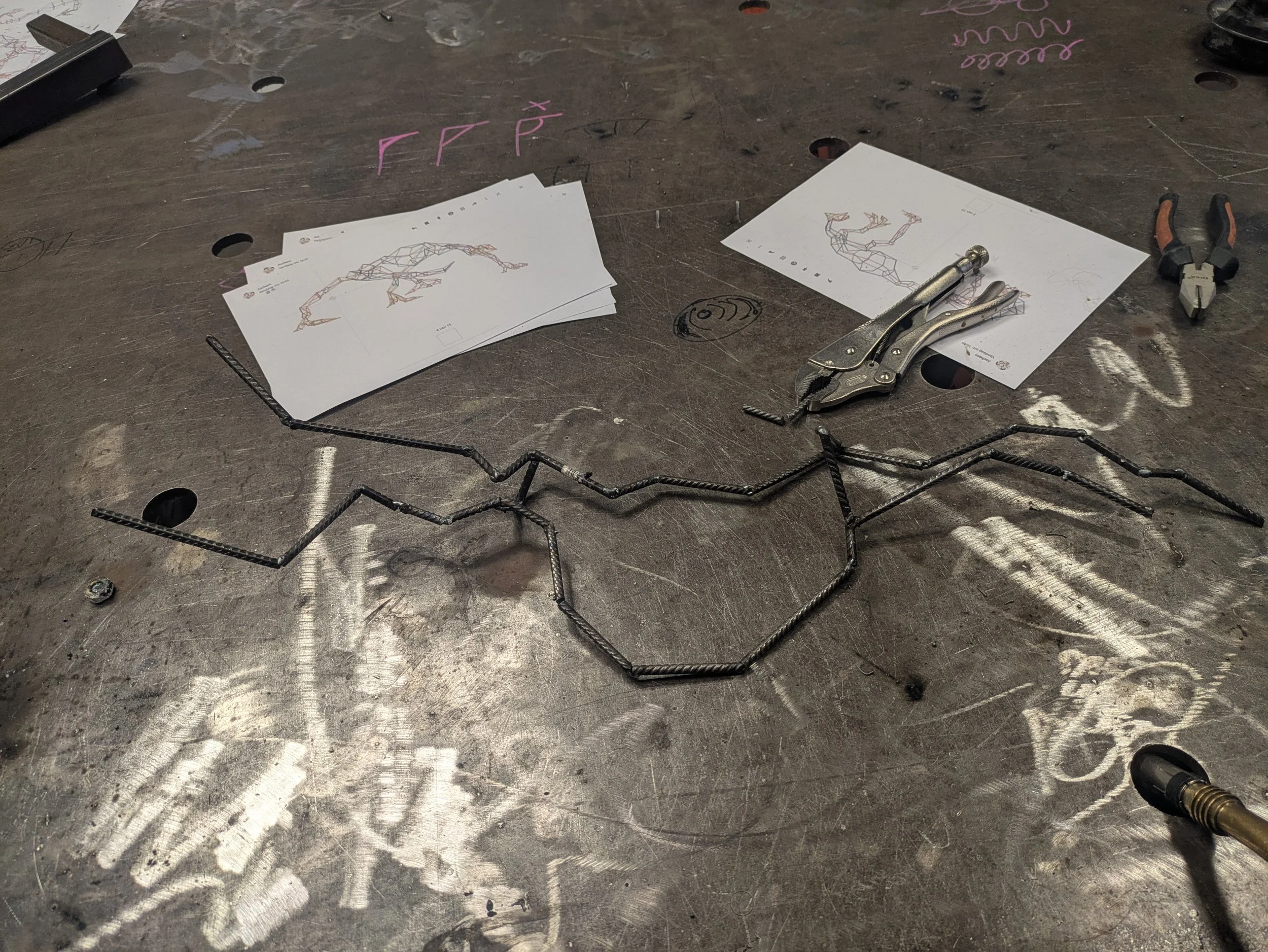
scale model start

soldering a scale model

another sketch

try out

scale model progress
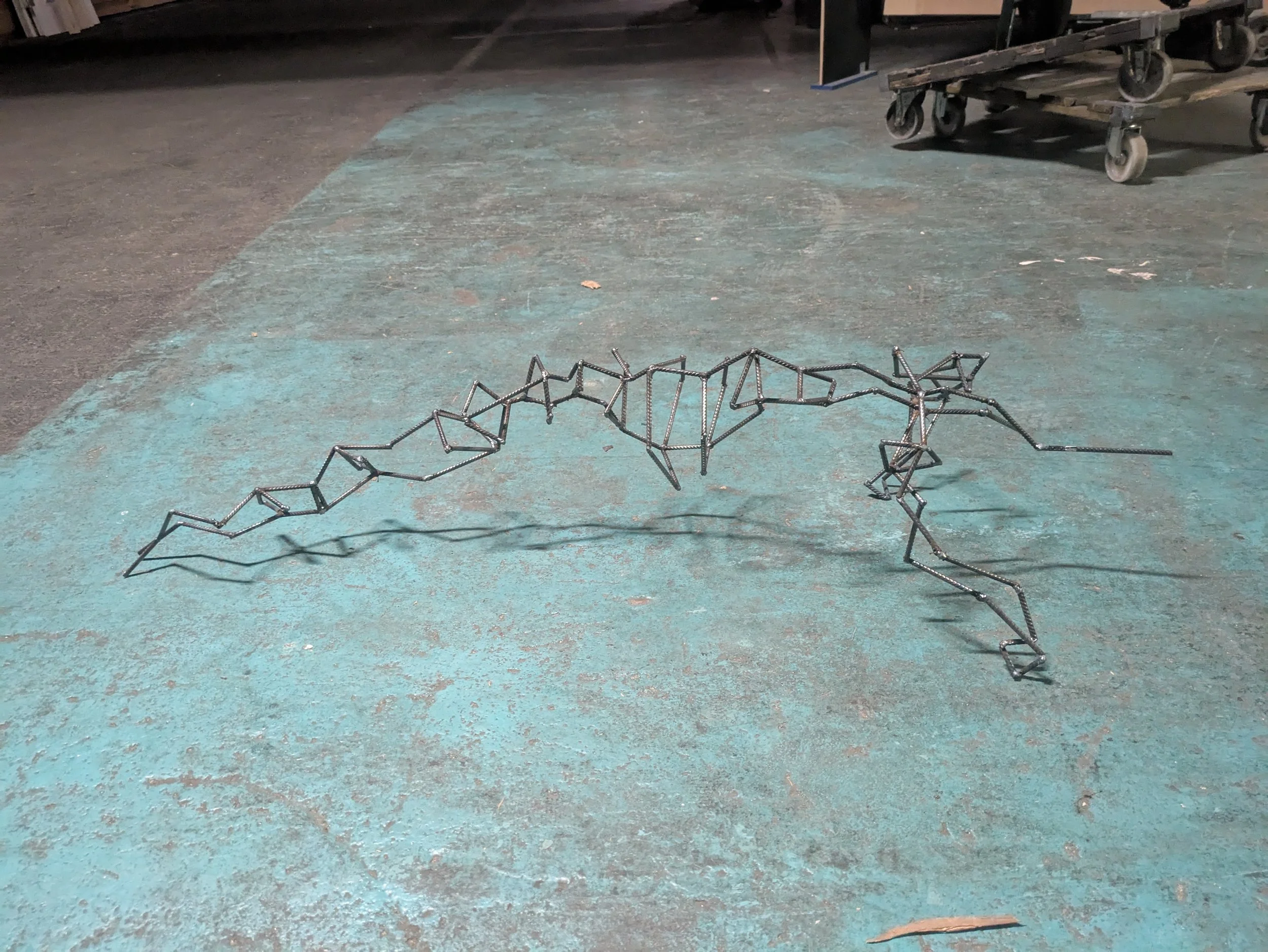
scale model with two feet

3D sketch
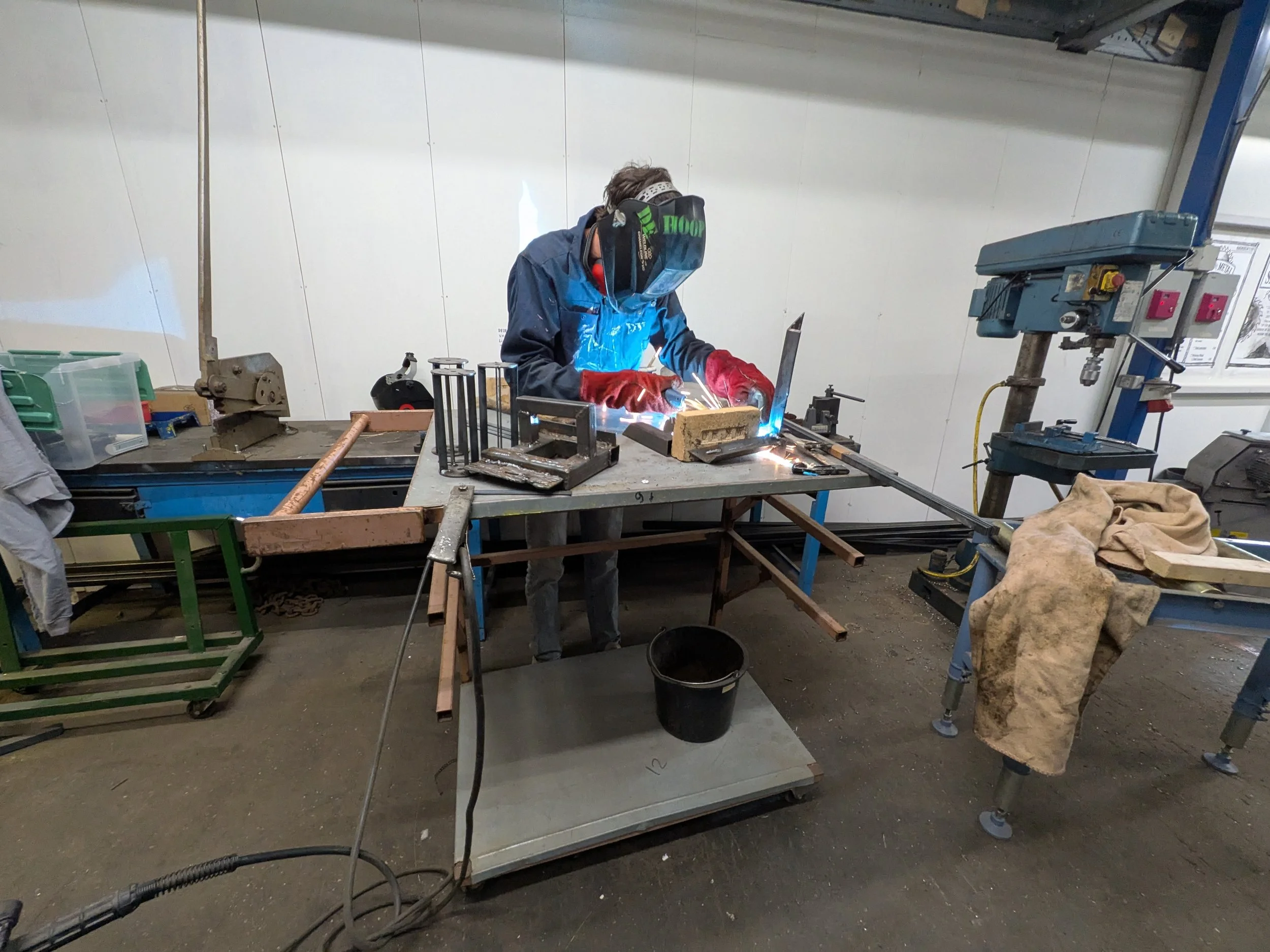
welding pieces
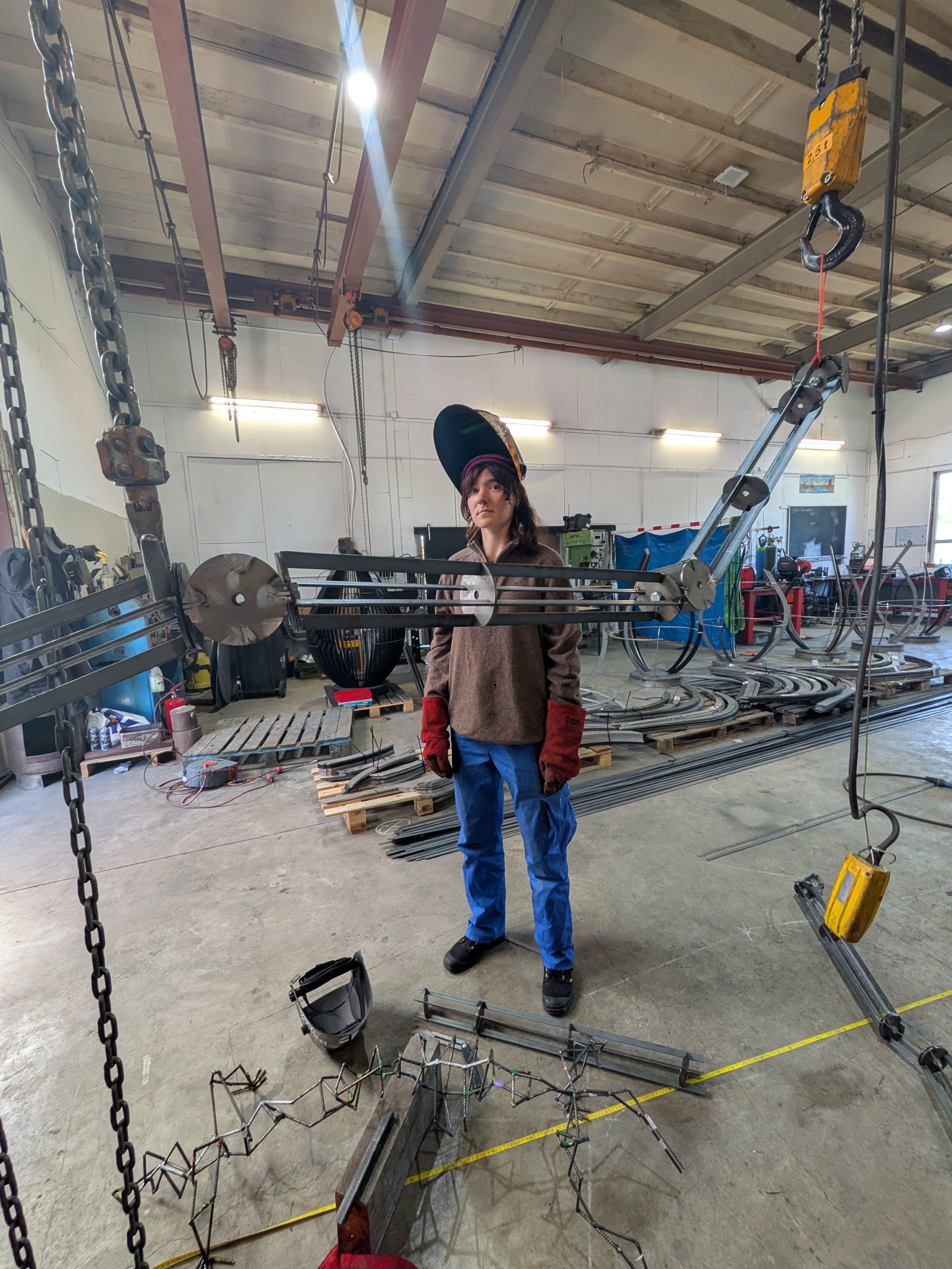
Marie first day at the metal workshop

week 1

week 2

the sculpture just dropped
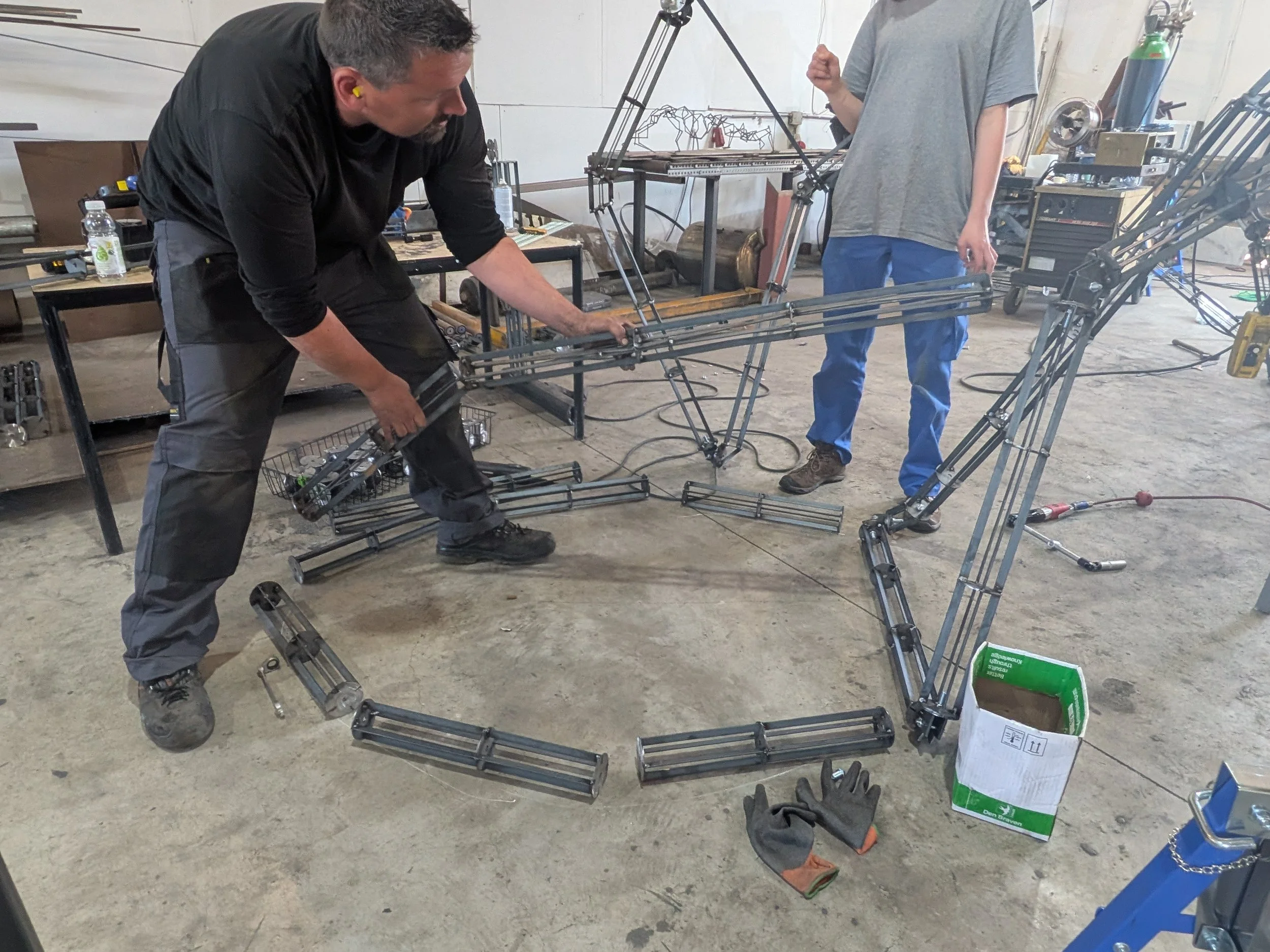
drawing the location of the head

working on the head

moving the pieces in Heerenveen
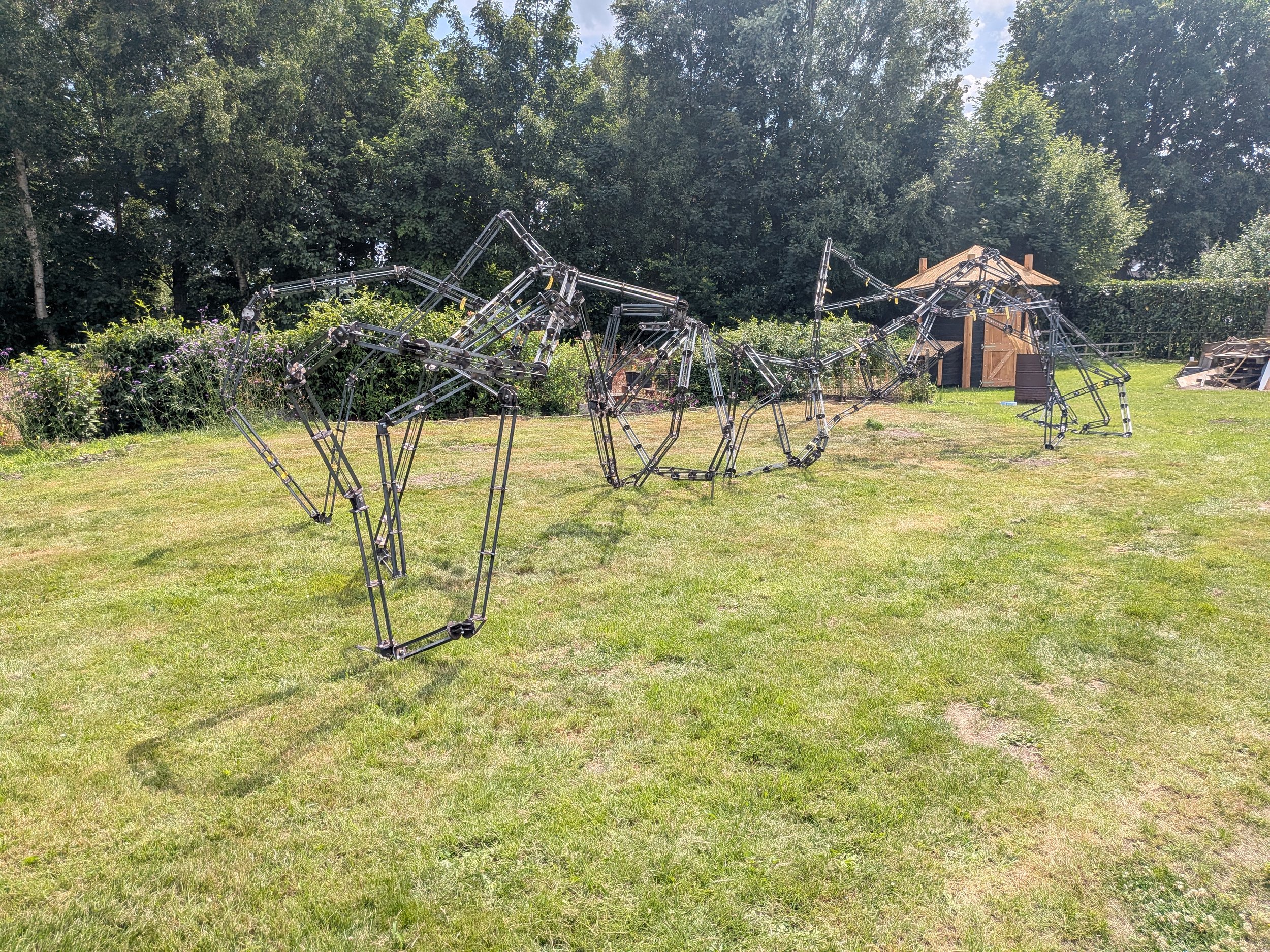
Try out in Heerenveen
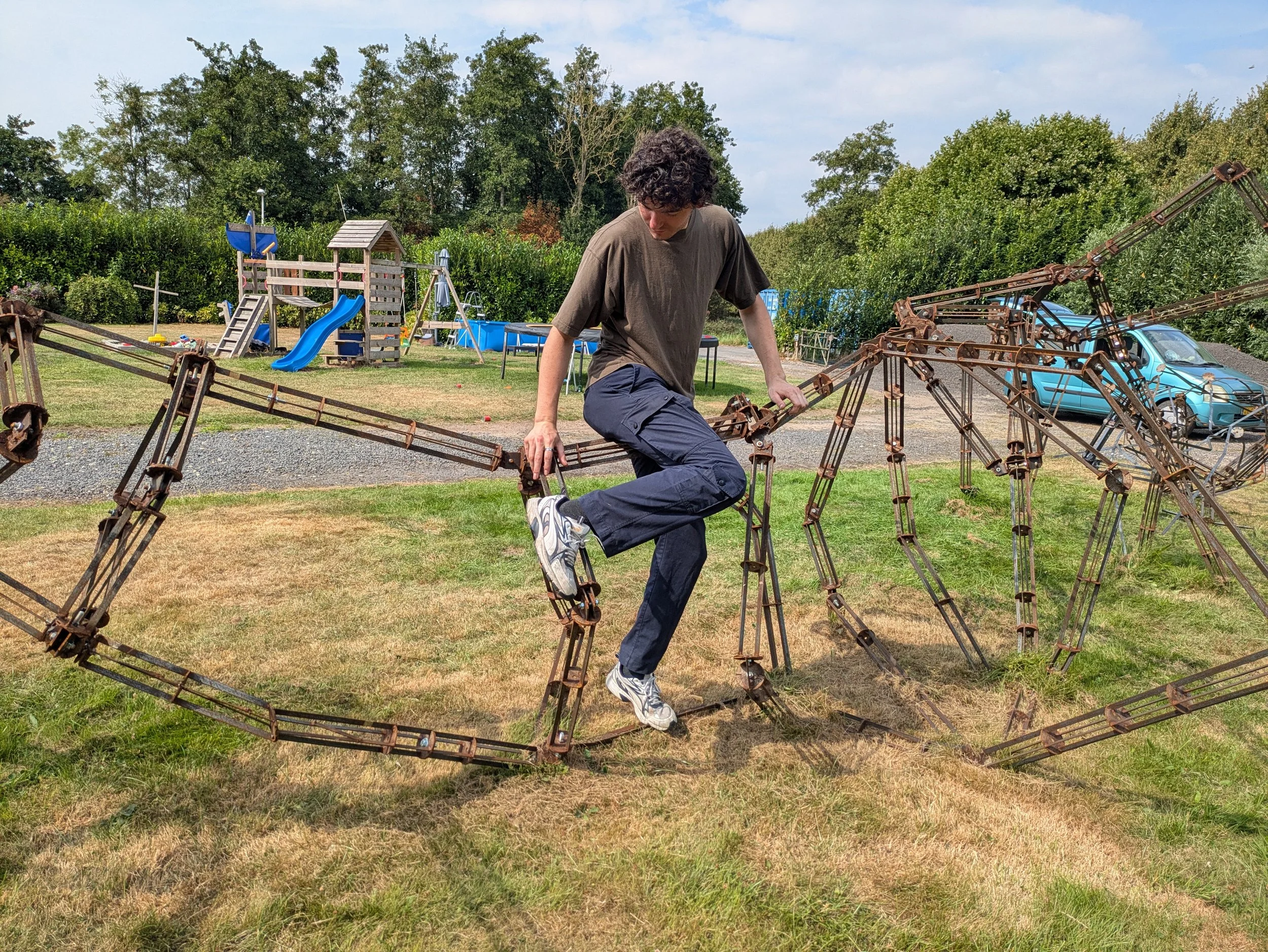
Raf testing if it can handle some weight
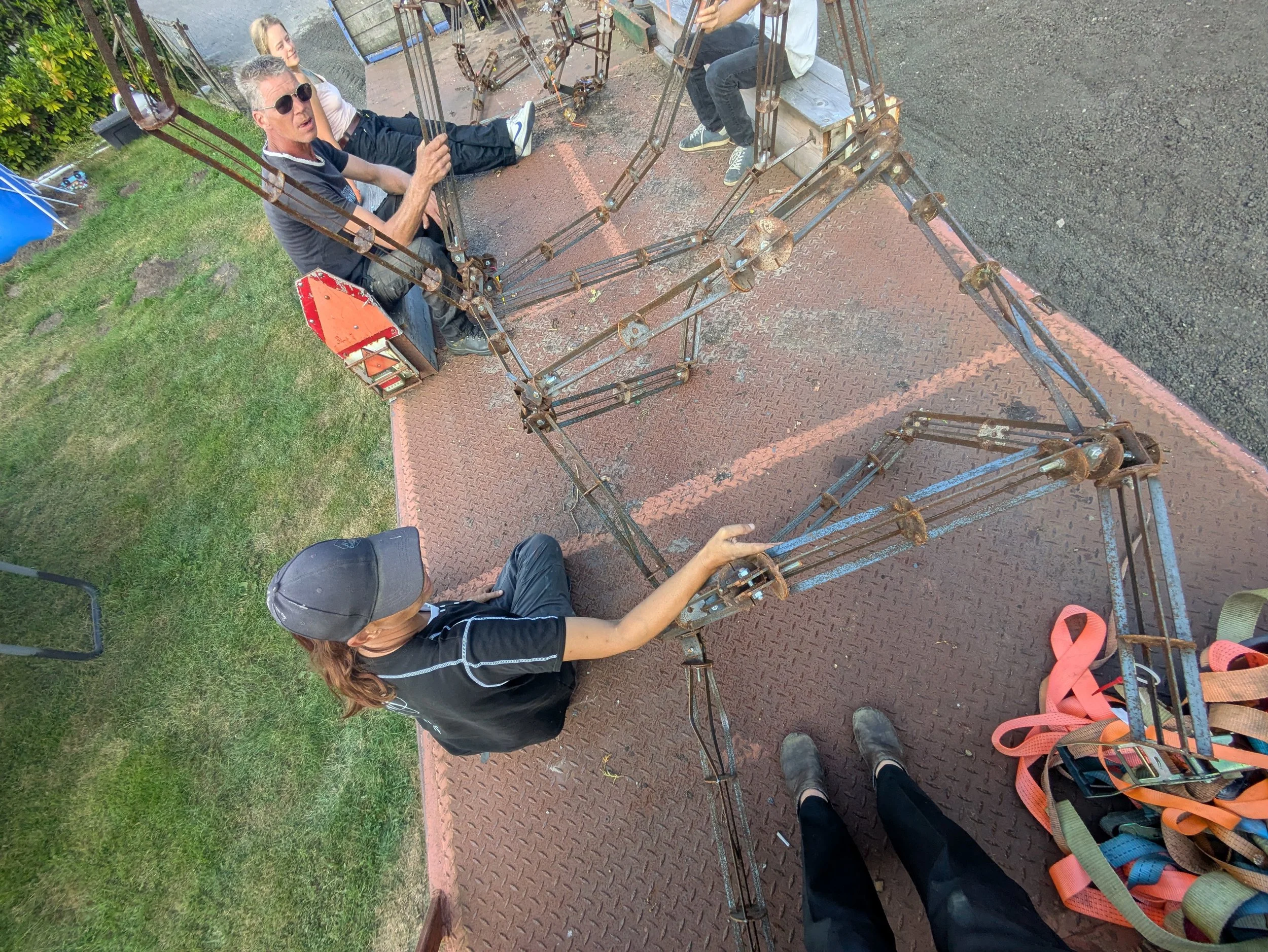
moving the pieces from Heerenveen to Veluwe
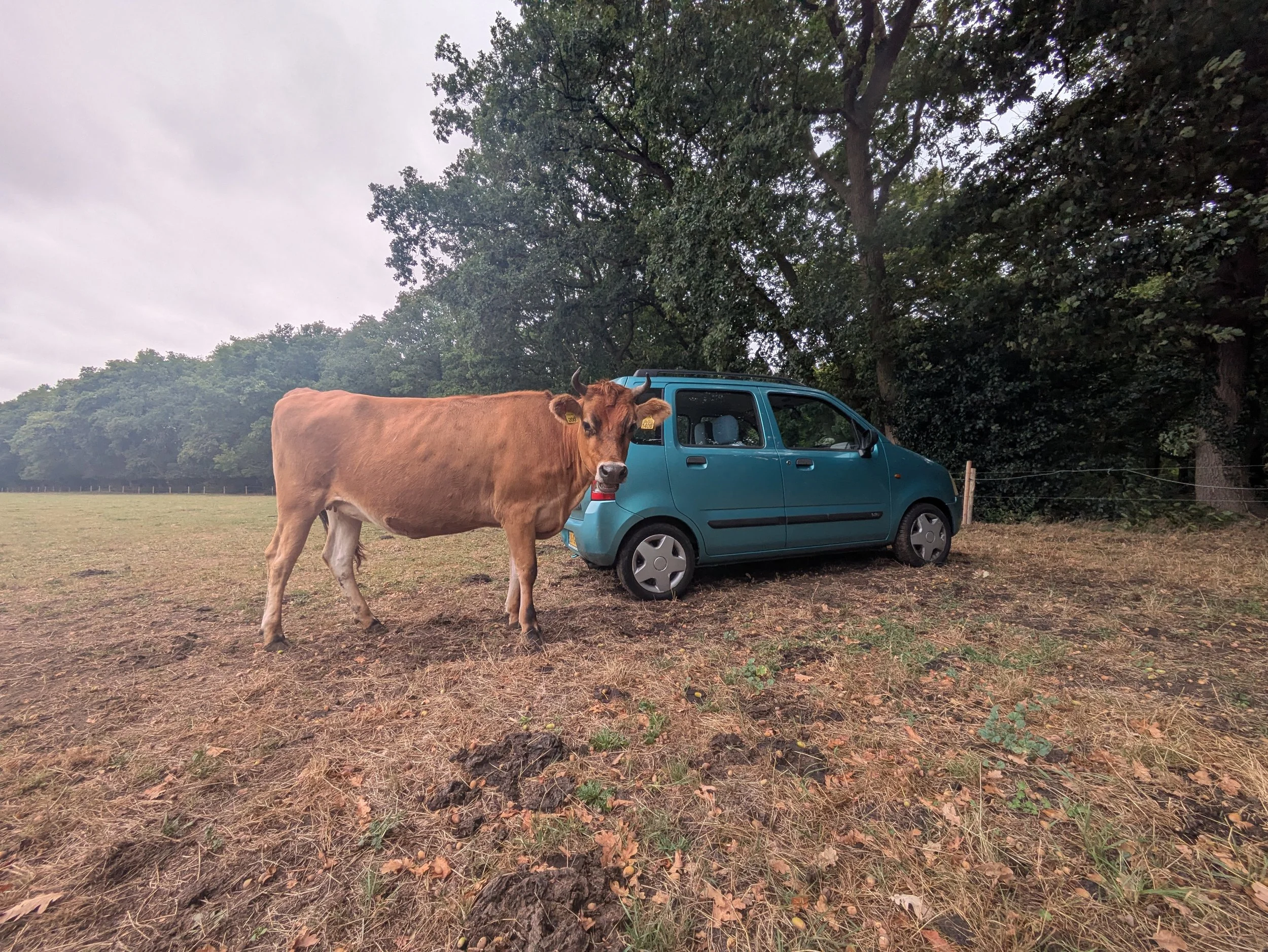
first location: meadow with cows


Pictures by Annelies Buijs